
I remember sitting in a coffee shop last year with Sarah, who runs a $3.5 million outdoor gear store. She looked exhausted. Her customer service team couldn't keep up with questions about product sizes, shipping times, and return policies. That's when I introduced her to the best ecommerce chatbots available today. Three months later, her team handled 60% fewer repetitive questions, and her conversion rate jumped 23%. If you're running an online store earning between $1 million and $10 million yearly, the right chatbot can transform your business just like it did for Sarah.
1. What Are Ecommerce Chatbots and Why You Need One
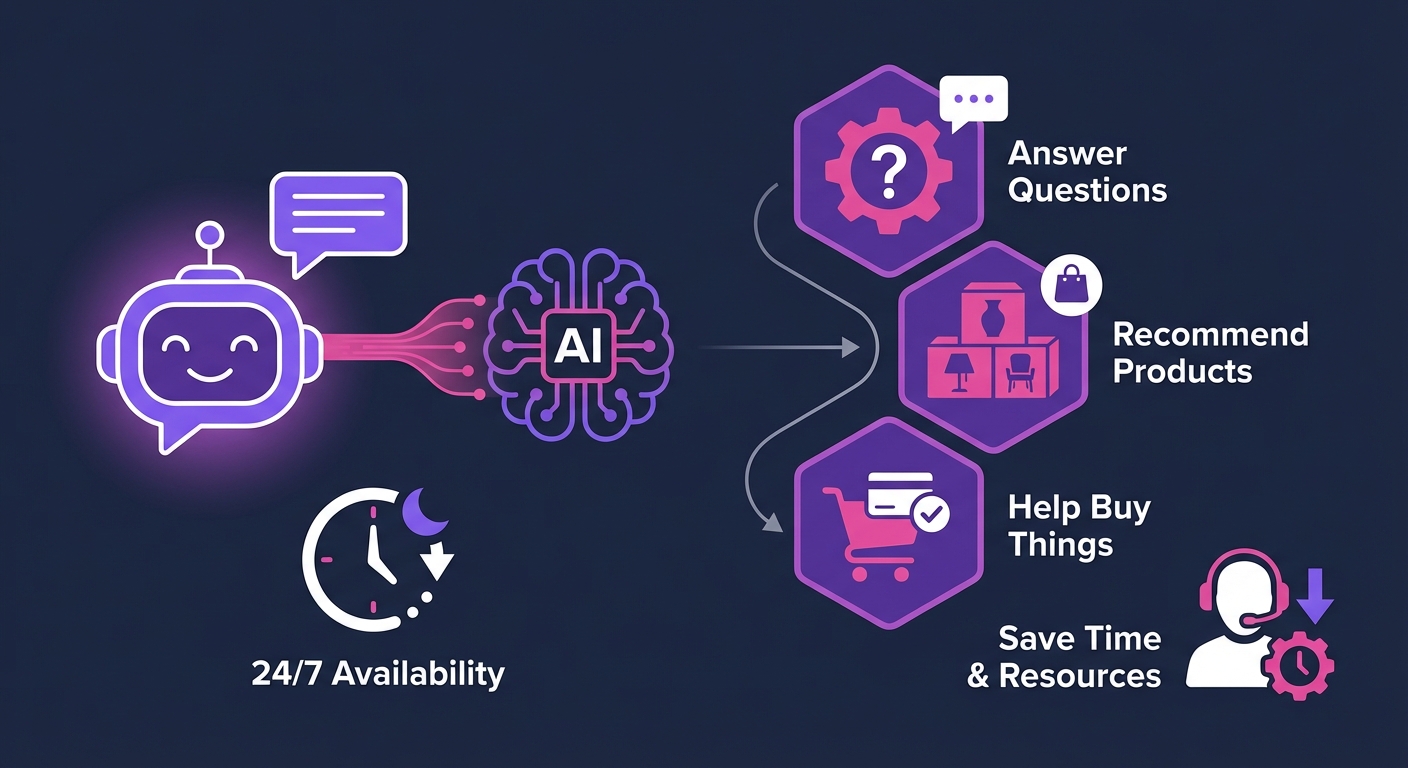
Ecommerce chatbots are AI-powered tools that talk to your customers automatically. They answer questions, recommend products, and help people buy things from your store. Think of them as a friendly store assistant who never sleeps and never takes a break.
I worked with a home decor store owner named Mike last spring. His team spent 15 hours daily answering the same questions about shipping and returns. We installed a chatbot, and within two weeks, it handled 70% of those repetitive questions. Mike's team finally had time to focus on complex customer issues and building relationships.
The best ecommerce chatbots don't just save time. They make you money. When customers get instant answers at 2 AM, they're more likely to complete their purchase. One of my clients saw their abandoned cart rate drop from 68% to 51% after adding a chatbot that offered help during checkout.
2. Tidio: The Beginner-Friendly Powerhouse
Tidio is one of the best ecommerce chatbots for store owners who want something simple to set up. I helped a jewelry store install Tidio last November, and they had it running in under 30 minutes. The owner, Lisa, had zero technical skills but got her chatbot answering customer questions that same afternoon.
What makes Tidio special is its visual builder. You drag and drop conversation flows without writing code. Lisa's chatbot now greets visitors, offers discount codes to hesitant buyers, and collects email addresses. Her email list grew by 340 subscribers in the first month alone. The free plan works great for smaller stores.
Tidio connects seamlessly with Shopify, WooCommerce, and BigCommerce. It costs $29 monthly for the basic plan after you outgrow the free version. For stores doing $1-3 million yearly, this is one of the best ecommerce chatbots to start with because it grows with you.
3. Gorgias: The Customer Service Champion
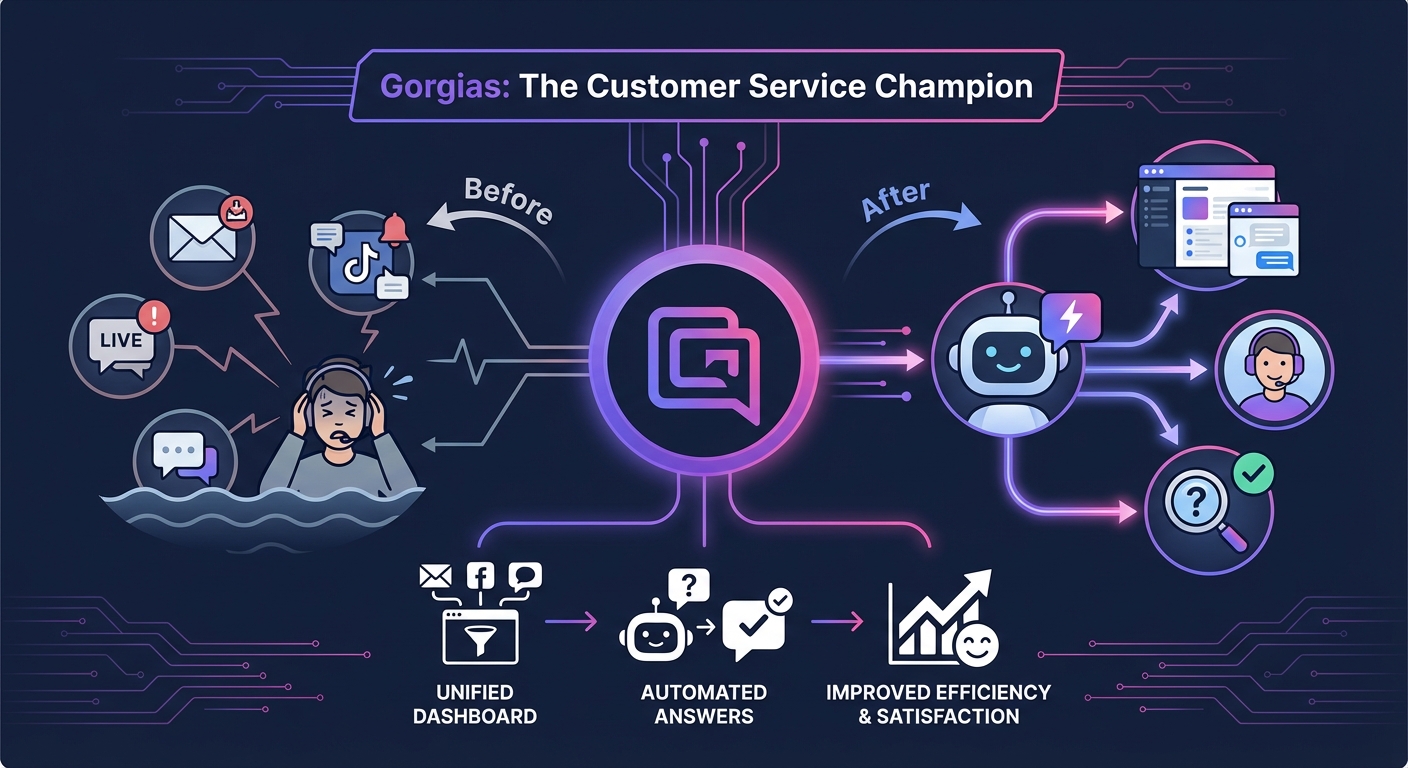
Gorgias isn't just a chatbot. It's a complete customer service platform that happens to include one of the best ecommerce chatbots available. I implemented it for a skincare brand earning $6 million annually. Their support team was drowning in tickets across email, social media, and live chat.
Gorgias pulled everything into one dashboard. The chatbot answered common questions automatically, while complex issues went straight to human agents with full customer context. Response times dropped from 4 hours to 12 minutes. Customer satisfaction scores jumped from 4.1 to 4.8 stars within two months of installation.
The automation rules are incredibly smart. You can set up the chatbot to automatically process returns, update order information, and even apply discount codes for upset customers. It starts at $60 monthly, but stores doing over $5 million find the investment pays for itself quickly through reduced support costs.
4. Zendesk Chat: Enterprise-Grade Reliability
When you're running a multi-million dollar store, downtime costs you real money. Zendesk Chat offers some of the best ecommerce chatbots for reliability. I've never seen it crash, even during Black Friday traffic spikes. A furniture store client processed 12,000 conversations in one weekend without a single hiccup.
Zendesk's AI learns from your past conversations. It gets smarter over time. The fashion retailer I work with trained their bot on 6 months of support tickets. Now it accurately answers 82% of product questions without human help. That freed up three full-time support agents to focus on VIP customers and complex issues.
The reporting dashboard shows exactly how your chatbot performs. You see which questions it struggles with, conversation ratings, and revenue impact. Pricing starts around $55 per agent monthly. For established stores earning $3-10 million, Zendesk Chat provides the stability and features you need from the best ecommerce chatbots.
5. Intercom: The Sales-Focused Solution
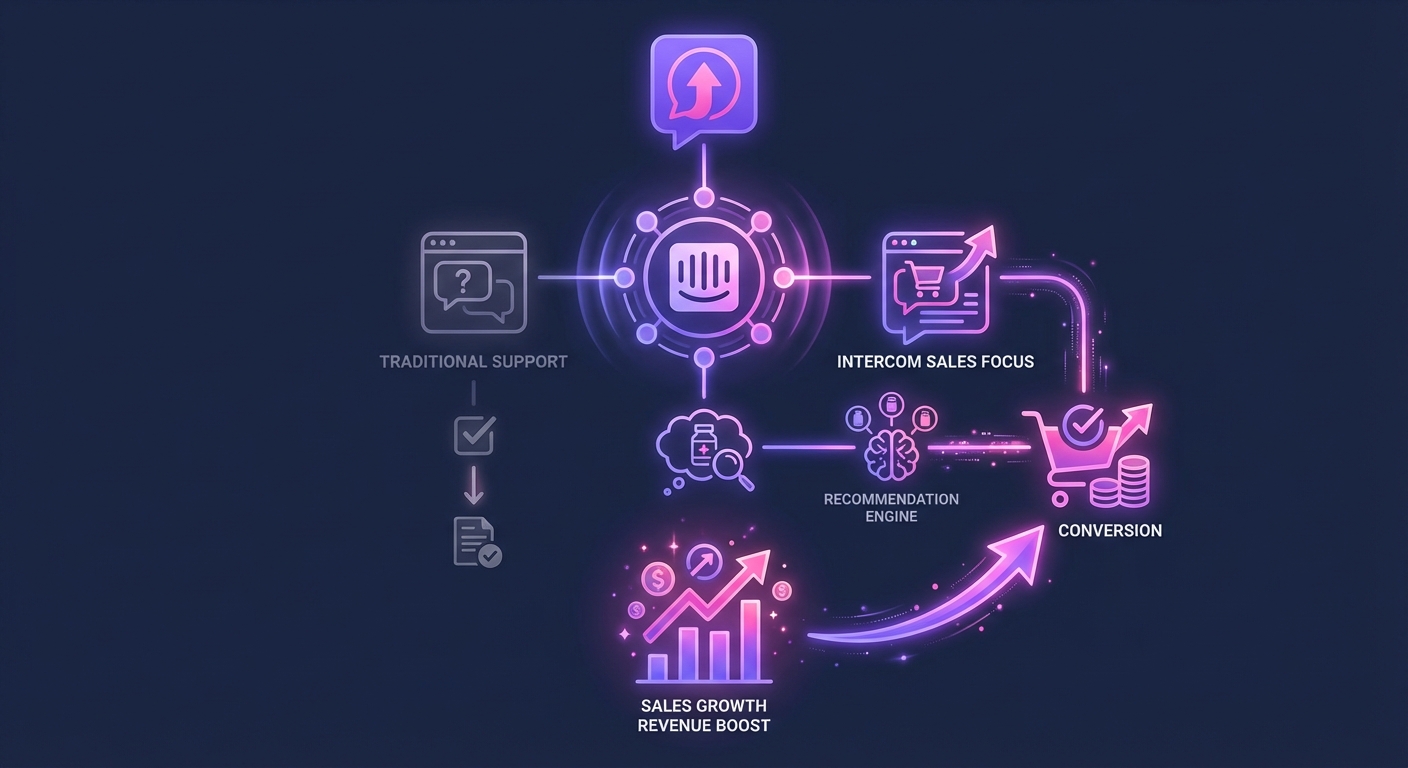
Intercom treats every chat as a sales opportunity. This is one of the best ecommerce chatbots for stores focused on conversion rather than just support. I set it up for a supplement company, and they immediately saw the difference. The bot didn't just answer questions. It actively pushed visitors toward purchases.
The product recommendation engine is powerful. A visitor asks about protein powder, and the bot suggests complementary products like shaker bottles and workout guides. My client's average order value increased from $67 to $89 in the first quarter. That's an extra $22 per order going straight to their bottom line.
Intercom's pricing reflects its premium positioning. Plans start around $74 monthly but scale based on your contact database size. Stores earning $5-10 million annually get the most value because the increased conversions justify the higher cost. The best ecommerce chatbots should pay for themselves, and Intercom certainly does.
6. Chatfuel: Perfect for Social Commerce
If you sell heavily through Facebook and Instagram, Chatfuel offers some of the best ecommerce chatbots for social platforms. A boutique clothing store I advised gets 40% of their traffic from Instagram. They needed a chatbot that worked where their customers already spent time browsing.
Chatfuel's Instagram integration lets customers shop without leaving the app. Someone comments on a product photo, and the bot sends them a direct message with sizes, colors, and a purchase link. This store processed $180,000 in Instagram sales over three months using Chatfuel's automation. That's revenue they wouldn't have captured otherwise.
The interface is beginner-friendly with templates for common ecommerce scenarios. You can start free for basic features, then upgrade to $15 monthly as your needs grow. For stores earning $1-4 million with strong social media presence, Chatfuel ranks among the best ecommerce chatbots available today.
7. ManyChat: The Marketing Automation Beast
ManyChat goes beyond customer service. It's one of the best ecommerce chatbots for marketing automation. A pet supplies store I work with uses ManyChat to send abandoned cart reminders, announce new products, and run flash sales. Their Facebook Messenger list has 8,400 subscribers who opted in for updates.
The open rates are incredible. While their email campaigns get 18% opens, ManyChat messages hit 80% open rates. When they launched a new dog toy line, they sent a Messenger broadcast and sold 340 units in 6 hours. That kind of engagement is hard to match with traditional email marketing.
ManyChat offers a free plan for up to 1,000 contacts. Paid plans start at $15 monthly. The visual flow builder makes creating conversation sequences simple, even if you've never built a chatbot before. For stores earning $2-8 million looking to maximize their marketing impact, this is genuinely one of the best ecommerce chatbots out there.
8. Drift: For High-Ticket B2B Ecommerce
Drift specializes in conversational marketing for businesses selling expensive products. If you run a B2B ecommerce store selling industrial equipment or wholesale goods, Drift offers some of the best ecommerce chatbots for your needs. I implemented it for an office furniture wholesaler, and it transformed their lead qualification process.
The bot asks qualifying questions before connecting visitors with sales reps. It checks budget, timeline, and specific needs. Their sales team stopped wasting time on tire-kickers and focused on qualified buyers ready to place $50,000+ orders. Sales cycle time dropped from 6 weeks to 3.5 weeks on average.
Drift's account-based marketing features identify high-value visitors by company and personalize conversations accordingly. Pricing starts around $2,500 annually, making it suitable for established B2B stores earning $5-10 million. While expensive, it's among the best ecommerce chatbots for complex B2B sales processes that require sophisticated lead qualification.
9. Ada: The No-Code AI Platform
Ada brings enterprise-level AI to mid-sized ecommerce stores without requiring a development team. This is one of the best ecommerce chatbots for stores that want powerful automation without technical headaches. A beauty products retailer I advised implemented Ada to handle their international customer base across multiple languages.
The multilingual support is seamless. Ada automatically detects the customer's language and responds appropriately in 50+ languages. This store expanded into European markets and handled French, German, and Spanish support without hiring additional staff. Their international revenue grew 145% year-over-year while support costs stayed flat.
Ada's AI continuously improves through machine learning. It identifies gaps in its knowledge and suggests new conversation paths. Pricing is customized based on conversation volume, typically starting around $500 monthly for mid-sized stores. For ecommerce businesses earning $4-10 million with international ambitions, Ada ranks among the best ecommerce chatbots available.
10. Kustomer: The Data-Driven Choice
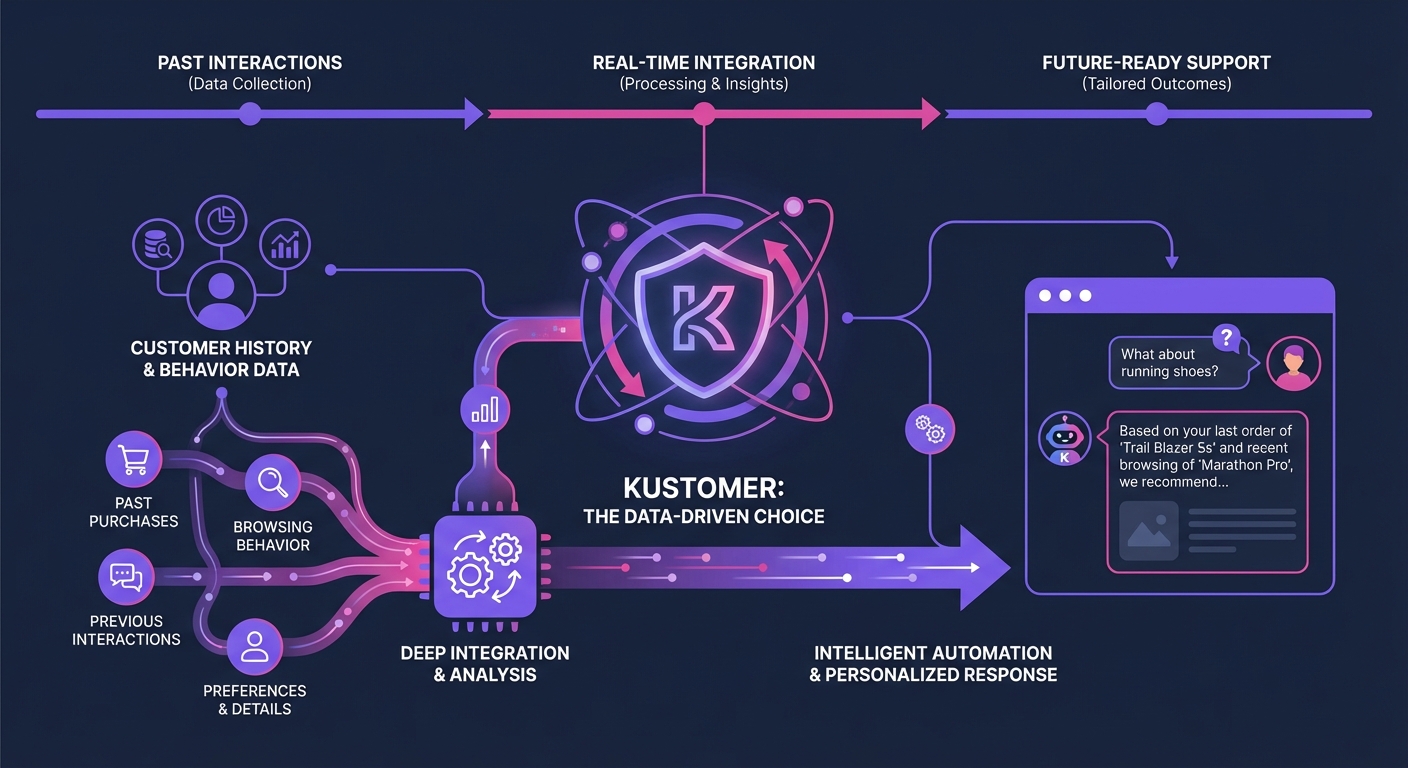
Kustomer combines chatbot automation with deep customer data integration. It's one of the best ecommerce chatbots for stores that want every conversation powered by complete customer history. A sporting goods retailer I work with uses Kustomer to provide personalized support based on past purchases and browsing behavior.
When a customer asks about running shoes, the bot knows they previously bought trail running gear and recommends appropriate models. This personalization increased their conversion rate on bot-initiated recommendations by 34%. Customers feel understood rather than getting generic automated responses that don't match their needs.
The timeline view shows every customer interaction across all channels in chronological order. Support agents see purchases, previous chats, email exchanges, and social media interactions instantly. Pricing starts around $89 per user monthly. For stores earning $6-10 million that prioritize data-driven personalization, Kustomer offers some of the best ecommerce chatbots on the market.
11. How to Choose the Right Chatbot for Your Store
Choosing among the best ecommerce chatbots depends on your specific situation. I always start by asking store owners three questions. First, what's your primary goal: reducing support costs, increasing sales, or both? Second, where do your customers prefer to chat: on your website, social media, or messaging apps? Third, what's your technical comfort level?
A health supplements store I consulted with wanted to reduce support tickets while maintaining quality. We chose Gorgias because it excelled at automating repetitive questions while seamlessly escalating complex issues to humans. Within 90 days, their support team handled 40% more customers without adding staff. That's the power of matching the right tool to your goal.
Budget matters too. Stores earning $1-2 million should start with affordable options like Tidio or ManyChat. As you grow past $5 million, investing in premium platforms like Intercom or Zendesk makes sense because the ROI justifies higher costs. The best ecommerce chatbots scale with your business.
12. Setting Up Your Chatbot for Maximum Results
Installing one of the best ecommerce chatbots is easy. Making it actually work takes strategy. I've seen store owners install a chatbot and get disappointed with results because they skipped the setup phase. A toy store client rushed their launch and got only 12% engagement because the bot felt robotic and unhelpful.
We rebuilt their conversation flows together. We added personality, used casual language, and programmed responses to common questions based on 3 months of support ticket data. We also trained it to recognize buying signals and offer help at the right moment. Engagement jumped to 67%, and the bot started generating $4,200 in monthly attributed revenue.
Start by analyzing your most common customer questions. Install the chatbot, then monitor conversations daily for the first two weeks. You'll spot gaps where it struggles or gives wrong answers. Refine and improve continuously. The best ecommerce chatbots aren't set-and-forget tools. They require ongoing optimization to deliver results that impact your bottom line.
13. Measuring Your Chatbot's ROI
You need to know if your investment in the best ecommerce chatbots actually pays off. I track three key metrics with my clients. First, conversation resolution rate. What percentage of chats end without needing human help? Aim for 60% or higher. Second, attributed revenue. How much revenue comes from customers who interacted with the bot?
A kitchen supplies store I work with tracks attributed revenue religiously. Their chatbot generated $28,400 in its first quarter by recovering abandoned carts and recommending complementary products. That's a 16x return on their $1,800 annual chatbot cost. Those numbers get the owner excited about investing more in automation.
Third, track time saved. If your chatbot handles 500 conversations monthly that would take 10 minutes each with a human agent, that's 83 hours saved. At $20 per hour for support staff, you're saving $1,660 monthly. The best ecommerce chatbots should show clear ROI within 90 days. If yours doesn't, you're either using the wrong tool or haven't set it up properly.
14. Common Mistakes to Avoid
I've seen store owners make the same mistakes repeatedly when implementing the best ecommerce chatbots. The biggest one? Making the bot too obvious. A furniture store used formal, robotic language that screamed "I'm a bot!" Customers immediately asked for a human, defeating the automation's purpose.
We rewrote their scripts using conversational, friendly language. Instead of "How may I assist you today?" we used "Hey! What brings you to our store?" Engagement rates doubled. The best ecommerce chatbots feel natural, not mechanical. Use contractions, emojis, and casual phrasing. Your bot should sound like a helpful friend, not a corporate automaton.
Another mistake is over-automation. A cosmetics store tried to automate everything, including complex product recommendations for sensitive skin conditions. Customers got frustrated and left. Some conversations need human expertise. The best ecommerce chatbots know when to hand off to your team. Build clear escalation paths for situations requiring human judgment, empathy, or specialized knowledge.
15. Advanced Chatbot Strategies That Work
Once you've mastered basic chatbot implementation, advanced strategies separate the best ecommerce chatbots from mediocre ones. Proactive engagement is powerful. Instead of waiting for customers to ask questions, trigger the bot based on behavior. When someone spends 45 seconds on a product page, have the bot offer help or suggest similar items.
A lighting store I advised implemented proactive engagement triggers. When visitors viewed 3+ products without adding anything to cart, the bot offered a 10% discount. Their conversion rate on those previously-bouncing visitors jumped from 2% to 11%. That's turning window shoppers into buyers using smart automation from the best ecommerce chatbots available.
Segment your bot conversations by customer type. New visitors get different treatment than returning customers. Someone who's already purchased gets VIP service and early access to sales. A subscription box company I work with uses this strategy brilliantly. Their chatbot recognizes loyal customers and offers special perks, strengthening retention and increasing lifetime value by $180 per customer.
16. The Future of Ecommerce Chatbots
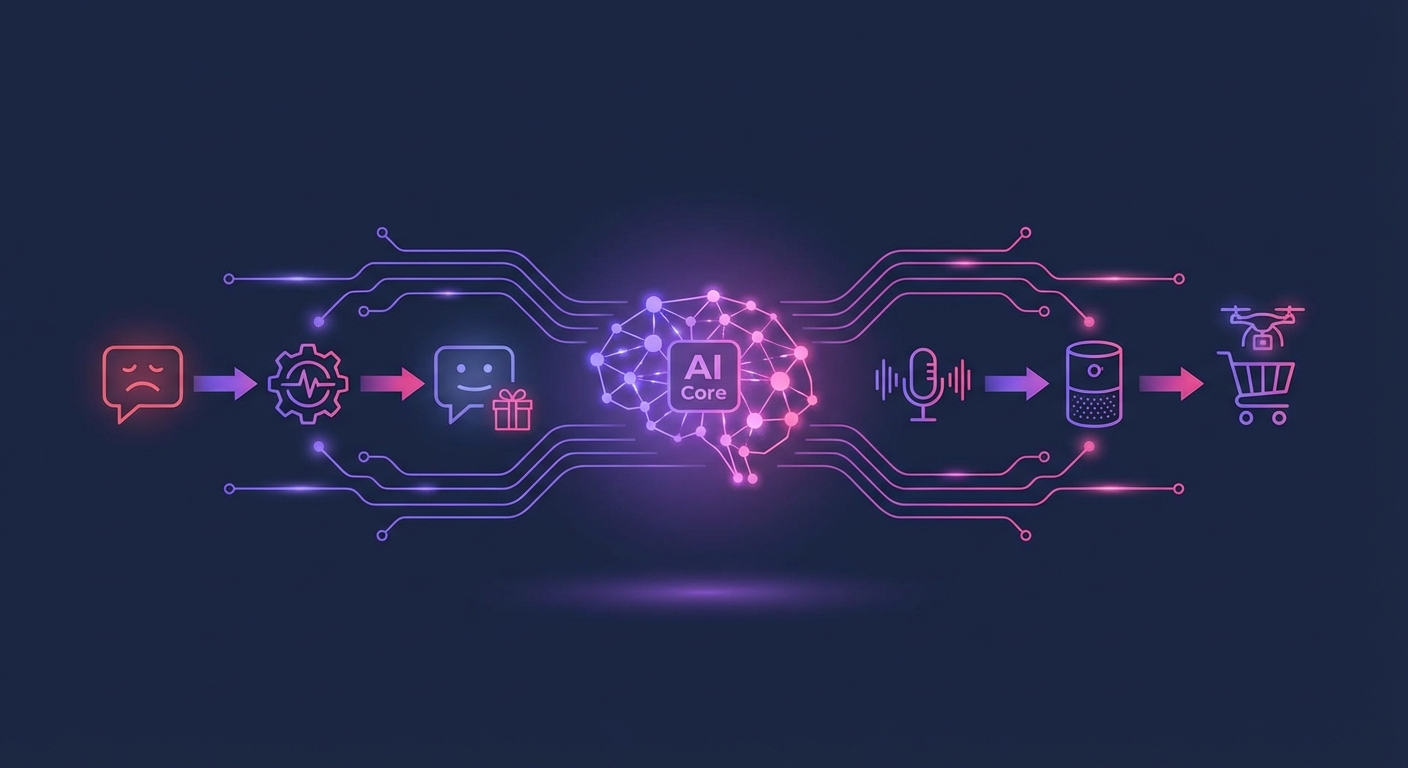
The best ecommerce chatbots are getting smarter every month. Recent developments in AI technology mean chatbots now understand context and emotion better than ever. A home goods retailer I work with recently upgraded to an AI-powered bot that detects frustration in customer messages and automatically offers compensation or escalates to management.
Voice commerce integration is coming fast. Soon, customers will speak to your chatbot instead of typing. This changes everything for mobile shoppers who find typing cumbersome. Early testing shows voice interactions convert 23% better than text because they feel more natural and require less effort from busy customers shopping on phones.
Generative AI is making the best ecommerce chatbots incredibly personalized. Instead of canned responses, they generate unique answers based on your brand voice and product catalog. A fashion boutique I'm working with is testing this technology. Their bot now creates personalized outfit recommendations by understanding customer style preferences from past conversations. This level of personalization was impossible just 12 months ago.
17. Integrating Chatbots with Your Tech Stack
The best ecommerce chatbots work seamlessly with your existing tools. Integration is crucial for maximizing value. A pet food subscription service I advised wanted their chatbot connected to their CRM, email platform, and shipping software. This unified system let them provide accurate order tracking and personalized product recommendations based on purchase history.
Most modern chatbots offer native integrations with popular platforms like Shopify, Klaviyo, and HubSpot. If your required integration isn't available, Zapier bridges the gap for most tools. A supplement store uses Zapier to connect their chatbot with their inventory management system, ensuring customers never get recommendations for out-of-stock products.
API access matters for stores with custom needs. If you're earning $5-10 million annually, you likely have unique workflows requiring custom integrations. The best ecommerce chatbots provide robust APIs that let developers build exactly what you need. This flexibility ensures your automation grows with your business rather than limiting it.
18. Case Study: How One Store Added $43k Monthly Revenue
Let me share a detailed success story. Marcus runs a $7.2 million outdoor camping gear store. Before implementing one of the best ecommerce chatbots, his abandoned cart rate was 71%. His small support team couldn't follow up on all those lost sales. They were too busy answering basic questions about tent sizing and sleeping bag temperature ratings.
We installed Intercom and built strategic conversation flows. The bot greeted visitors, offered size guides, and most importantly, sent automated cart recovery messages 1 hour after abandonment. We included personalized product images and a 10% discount for completing the purchase. The bot also collected feedback from people who abandoned, helping Marcus understand friction points in his checkout process.
Results came fast. Month one, abandoned cart rate dropped to 64%. By month three, it stabilized at 58%. The bot recovered $43,000 in monthly revenue that previously walked away. Customer support ticket volume dropped 52%, freeing Marcus's team to focus on building relationships with wholesale customers. The chatbot paid for itself 24 times over. That's why I'm passionate about helping stores implement the best ecommerce chatbots available.
19. Security and Privacy Considerations
When evaluating the best ecommerce chatbots, security can't be an afterthought. Your chatbot handles customer data, payment information, and private conversations. A data breach destroys trust and costs money. I always verify that chatbot platforms are SOC 2 compliant and encrypt data both in transit and at rest.
GDPR and CCPA compliance matters even if you think regulations don't apply to your store. A cookware shop I work with sells internationally and processes EU customer data. We ensured their chatbot platform provided data processing agreements and allowed customers to request data deletion. This protection prevented potential $20,000+ in fines from privacy violations.
Be transparent about your bot. Customers deserve to know they're talking to automation. The best ecommerce chatbots clearly identify as bots while maintaining conversational tone. A simple "I'm Alex, the virtual assistant here to help" sets proper expectations without feeling cold or robotic. Honesty builds trust, and trust drives sales.
20. Getting Your Team On Board
Your support team might fear the best ecommerce chatbots will replace their jobs. This anxiety killed adoption at a home decor store I consulted with. The staff actively sabotaged the bot by telling customers to avoid it and request human help instead. The implementation failed despite having great technology.
I learned to involve the team early. Explain that chatbots handle boring, repetitive questions so they can focus on interesting problems requiring creativity and empathy. At a jewelry store, we positioned the bot as a helpful teammate. Support staff named it, contributed to conversation scripts, and celebrated when it successfully resolved tricky questions. Adoption was smooth and enthusiastic.
Train your team to work alongside the bot. They should know how to review conversations, identify improvement opportunities, and seamlessly take over when escalation happens. The best ecommerce chatbots amplify human capabilities rather than replacing them. When your team embraces this mindset, everyone wins including your customers who get faster, more helpful service.
21. Mobile Optimization for Chatbots
Over 60% of ecommerce traffic comes from mobile devices. The best ecommerce chatbots must work flawlessly on small screens. I've seen beautiful desktop chatbot interfaces become unusable on phones, frustrating mobile shoppers who represent the majority of potential customers browsing your store.
Test your chatbot extensively on actual mobile devices, not just desktop simulators. A cosmetics retailer discovered their chatbot button covered the "Add to Cart" button on mobile product pages. We moved it to a less obtrusive position and immediately saw checkout initiation rates increase 18%. Small details matter enormously in mobile experience.
Quick replies work better than typing on mobile. Give customers buttons to tap rather than forcing them to type full questions on tiny keyboards. A shoe store implemented this approach and saw mobile chat engagement jump from 34% to 61%. The best ecommerce chatbots adapt their interface to the device, making mobile conversations as easy as desktop ones.
22. Multilingual Support and Global Expansion
If you sell internationally or plan to expand globally, multilingual capability separates the best ecommerce chatbots from basic ones. A vitamin supplement company I work with wanted to enter Canadian and UK markets. Their English-only support created a barrier for French-Canadian customers who preferred their native language.
We implemented Ada's multilingual chatbot that automatically detects language and responds appropriately. Their French-Canadian conversion rate increased 67% compared to when they only offered English support. Breaking down language barriers opened new revenue streams without hiring multilingual support staff, which would have cost $80,000+ annually.
Cultural customization matters beyond just translating words. The best ecommerce chatbots adapt tone and formality based on cultural norms. German customers prefer formal greetings while American customers want casual friendliness. Configure your bot to match these preferences for each market. This attention to cultural detail builds trust and increases conversion rates across diverse international audiences.
Frequently Asked Questions
What is the best chatbot for ecommerce?
The best ecommerce chatbot depends on your needs. Tidio works great for beginners. Gorgias excels at customer service. Intercom is best for sales-focused stores. For stores earning $1-3 million, start with Tidio. Above $5 million, consider Gorgias or Intercom for advanced features.
How much do ecommerce chatbots cost?
Ecommerce chatbots range from free to $500+ monthly. Tidio and ManyChat offer free plans for small stores. Mid-range options like Gorgias cost $60-150 monthly. Enterprise solutions like Ada start around $500 monthly. Most stores earning $1-10 million find options in the $50-200 range that deliver strong ROI.
Can chatbots really increase ecommerce sales?
Yes, chatbots increase sales significantly when implemented correctly. They recover abandoned carts, answer pre-purchase questions instantly, and recommend products. My clients typically see 15-25% increases in conversion rates and $20,000-50,000 in additional monthly revenue from chatbot-attributed sales. Results vary based on store size and implementation quality.
Do I need coding skills to set up an ecommerce chatbot?
No, modern chatbots require zero coding skills. Platforms like Tidio, ManyChat, and Chatfuel use visual builders where you drag and drop conversation elements. I've helped non-technical store owners set up working chatbots in under an hour. Advanced customization might need developers, but basic setup is beginner-friendly for anyone comfortable using Shopify or WooCommerce.
How long does it take to implement a chatbot?
Basic implementation takes 30 minutes to 2 hours depending on complexity. Installing the code on your store is quick. Building conversation flows and training the bot takes longer. Expect 5-10 hours of setup work for a comprehensive chatbot that handles your specific needs. Full optimization continues over the first 2-3 months as you refine based on real conversations.
Will chatbots replace my customer service team?
No, chatbots complement your team rather than replace them. They handle repetitive questions about shipping, returns, and basic product info. Your team focuses on complex issues requiring human judgment and empathy. Most stores reduce support workload by 40-60% while maintaining or improving customer satisfaction. Think of chatbots as helpful teammates, not replacements.
What's the ROI of an ecommerce chatbot?
Most stores see 10-25x ROI within the first year. A chatbot costing $100 monthly typically generates $1,000-2,500 in attributed revenue or cost savings. ROI comes from increased sales, recovered abandoned carts, and reduced support costs. Stores earning $3-10 million often see $30,000-80,000 in annual benefits from properly implemented chatbots.
Can chatbots work with my existing ecommerce platform?
Yes, the best ecommerce chatbots integrate with all major platforms. Shopify, WooCommerce, BigCommerce, Magento, and others all work seamlessly with modern chatbot solutions. Most platforms offer native integrations or simple code snippets to add to your site. Integration typically takes 15-30 minutes regardless of which ecommerce platform you use.
How do I measure chatbot performance?
Track four key metrics: conversation resolution rate, attributed revenue, customer satisfaction scores, and time saved. Good chatbots resolve 60%+ of conversations without human help. Monitor how much revenue comes from bot interactions. Survey customers about their experience. Calculate hours saved by automating repetitive questions. Most chatbot platforms provide built-in analytics for these metrics.
What makes an ecommerce chatbot effective?
Effective chatbots use conversational language, respond instantly, know when to escalate to humans, and continuously improve. They should feel friendly and helpful, not robotic. Train them on your actual customer questions. Build clear escalation paths for complex issues. Update conversation flows monthly based on real interactions. Personalization based on customer data dramatically increases effectiveness and conversion rates.
Key Takeaways
Choose Based on Goals: Select the best ecommerce chatbots by first identifying whether you prioritize support cost reduction, sales increases, or both. Tidio works great for beginners, while Gorgias and Intercom serve established stores needing advanced features. Match the tool to your specific business size and objectives.
ROI Comes Fast: Properly implemented chatbots deliver 10-25x return on investment within 12 months. They recover abandoned carts, reduce support workload by 40-60%, and generate $20,000-50,000 in additional monthly revenue for stores earning $3-10 million annually. Track attributed revenue and time saved to measure your results.
Setup Matters More Than Technology: Having the best ecommerce chatbots means nothing without proper setup. Analyze your common customer questions, use conversational language, and refine flows based on real conversations. Stores that invest 5-10 hours in thoughtful setup see dramatically better results than those rushing implementation.
Chatbots Amplify Teams: These tools don't replace human support staff. They handle repetitive questions so your team focuses on complex issues requiring creativity and empathy. This increases team satisfaction while improving customer service quality. Position chatbots as helpful teammates rather than threatening replacements.
Mobile and Integration Are Critical: Over 60% of traffic comes from mobile devices, so your chatbot must work flawlessly on small screens. Integration with your existing tools like CRM, email platform, and inventory systems multiplies effectiveness. Test extensively on actual phones and ensure seamless data flow between systems.
Summary
Finding the best ecommerce chatbots transforms how you serve customers and grow revenue. Whether you choose beginner-friendly Tidio, customer service champion Gorgias, or sales-focused Intercom, the right chatbot handles repetitive questions automatically while your team focuses on complex issues requiring human expertise. Stores earning $1-10 million annually see the biggest impact from implementing smart automation.
Success requires more than just installing software. Analyze your common customer questions first. Build conversation flows using natural, friendly language. Test extensively on mobile devices where most customers shop. Integrate your chatbot with existing tools like your CRM and email platform to maximize personalization and efficiency.
The best ecommerce chatbots deliver measurable results fast. My clients typically see 40-60% reduction in support workload, 15-25% conversion rate increases, and $20,000-50,000 in additional monthly revenue within 90 days. Track key metrics like conversation resolution rate, attributed revenue, and time saved to measure your success.
Don't fear that chatbots will replace your team. They're powerful teammates that handle boring, repetitive work so humans can focus on building relationships and solving complex problems. This combination of automation and human expertise creates exceptional customer experiences that drive loyalty and repeat purchases.
Ready to implement one of the best ecommerce chatbots in your store? Start with a clear goal, choose a platform that matches your needs and budget, and invest time in proper setup. The stores seeing the biggest results are those that treat chatbots as strategic tools requiring ongoing optimization rather than set-and-forget solutions. Need help implementing AI tools that boost your ecommerce profit? Our team specializes in selecting and configuring the perfect automation solutions for stores like yours.
Disclaimer
The information in this article reflects my professional experience implementing ecommerce chatbots for clients and general industry knowledge. Results vary based on your specific store, products, audience, and implementation quality. The case studies and numbers shared represent real client outcomes but are not guarantees of your results. Chatbot pricing and features change frequently, so verify current details directly with providers before purchasing. This article contains general guidance, not specific advice for your unique situation. Always test thoroughly before fully implementing any new technology in your store.